
Bulgaria’s Hidden Paradise for Nature Lovers
Tucked away in northeastern Shumen Province, the landscapes of rolling plateaus, limestone cliffs, forests, and wetlands create one of Bulgaria’s most underrated birdwatching destinations. While many travelers flock to the Black Sea coast or the famous mountain ranges, birders who venture into Shumen Province discover a quieter, wilder side of the country filled with rare species, dramatic scenery, and peaceful hiking trails.
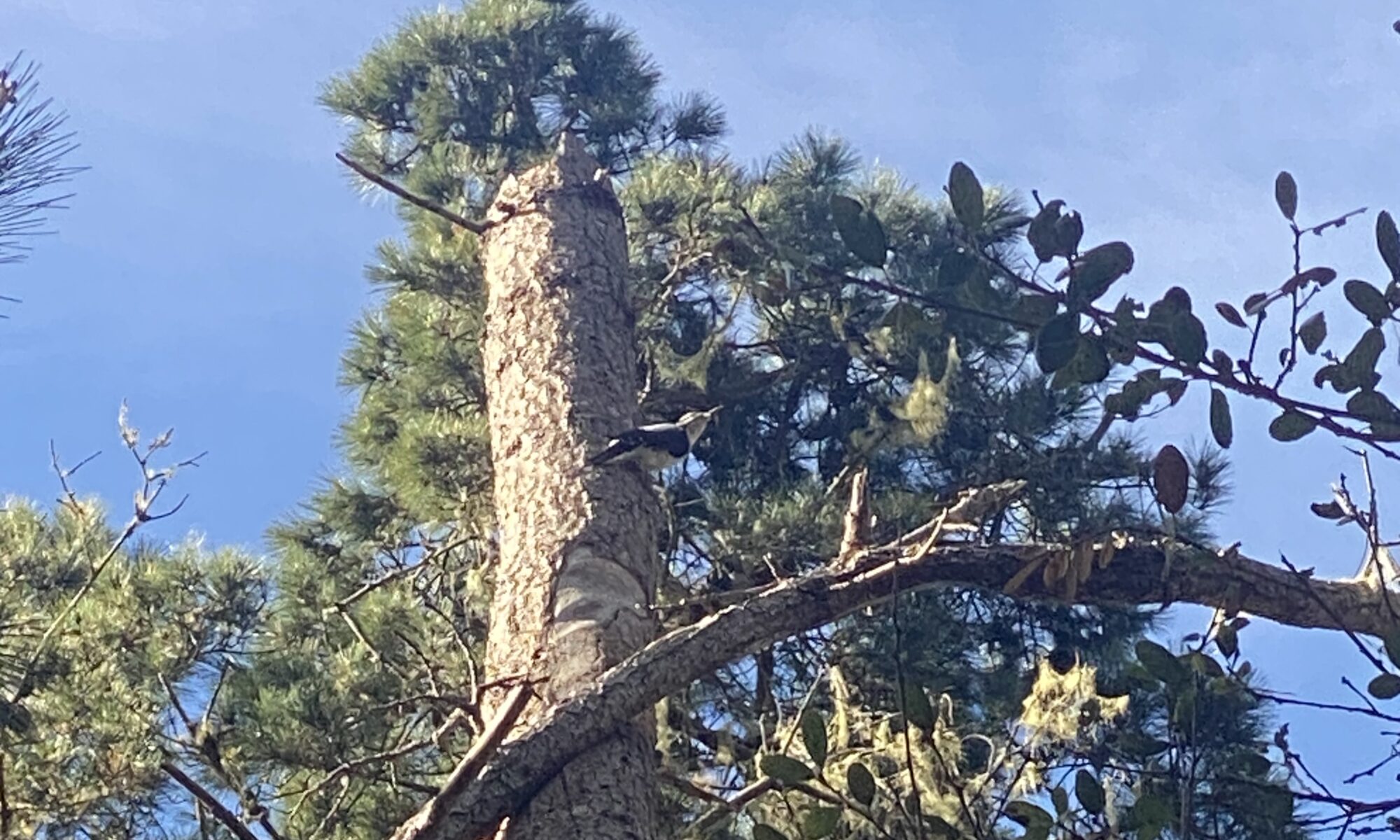
One of the region’s most fascinating birding locations is the Madara Plateau. Known primarily for the UNESCO-listed Madara Horseman rock relief, the plateau also offers exceptional habitats for birds of prey and woodland species. Towering limestone cliffs provide nesting sites for falcons, owls, and buzzards, while the surrounding forests echo with the songs of warblers, woodpeckers, and orioles. Early morning is the best time to explore the trails, when the rising sun illuminates the cliffs and birds become most active. The plateau’s mixture of rocky terrain and dense woodland makes every walk feel like an expedition into untouched wilderness.
Beyond Madara, the broader Provadiysko-Royaksko Plateau between Shumen and Provadiya is another excellent destination for birdwatchers. The area combines broadleaf forests, open grasslands, and river valleys that attract a remarkable diversity of species throughout the year. During spring migration, birders may spot bee-eaters, hoopoes, shrikes, and various raptors gliding over the countryside. The relative lack of mass tourism means the region remains wonderfully quiet, allowing visitors to observe wildlife without disturbance.
No discussion of birdwatching in northeastern Bulgaria would be complete without mentioning Srebarna Nature Reserve, located within reach of Shumen Province along the Danube corridor. This UNESCO World Heritage wetland is internationally famous among bird enthusiasts and serves as one of the Balkans’ most important bird sanctuaries. The reserve hosts breeding colonies of rare species including the Dalmatian pelican, pygmy cormorant, glossy ibis, and spoonbill. More than 100 bird species breed or migrate through the reserve, transforming the lake into a spectacular living mosaic of movement and sound.
For photographers, Shumen Province offers ideal conditions. The soft golden light at sunrise and sunset creates beautiful opportunities to capture birds in flight or perched against dramatic limestone backdrops. Local birders often recommend visiting during late spring and early autumn, when migration activity peaks and the weather remains pleasant for hiking.
What truly sets birdwatching in Shumen Province apart is the atmosphere. Unlike some of Europe’s heavily visited nature reserves, the region still feels authentic and undiscovered. Villages remain quiet, trails uncrowded, and encounters with wildlife surprisingly intimate. It is possible to spend hours walking through forests or along rocky escarpments hearing nothing but birdsong and the wind moving through the trees.
For travelers seeking a combination of biodiversity, history, and peaceful landscapes, Shumen Province delivers an unforgettable experience. Whether you are an experienced birder with binoculars and a telephoto lens or simply someone who enjoys nature and silence, northeastern Bulgaria offers a rewarding escape into one of Europe’s hidden birdwatching treasures.
References
- Shumen Province Tourism and regional geography overview.
Bulgaria Travel – Shumen Region - Madara Plateau and the Madara Horseman UNESCO World Heritage Site.
UNESCO – Madara Rider - Information on biodiversity, bird habitats, and ecosystems of northeastern Bulgaria.
BirdLife International - Srebarna Nature Reserve UNESCO World Heritage documentation and bird species data.
UNESCO – Srebarna Nature Reserve - Biosphere reserve and ecological statistics for Srebarna Nature Reserve.
UNESCO MAB Programme – Srébarna - General ornithological information about migratory routes in Bulgaria and the Via Pontica flyway.
Bulgarian Society for the Protection of Birds - Background information on species commonly observed in northeastern Bulgaria, including bee-eaters, hoopoes, shrikes, pelicans, and cormorants.
eBird – Bulgaria Birding Hotspots - UNESCO description of wetlands, breeding colonies, and protected bird species at Srebarna Nature Reserve.